What is Algorithmic Trading and How Does It Work?
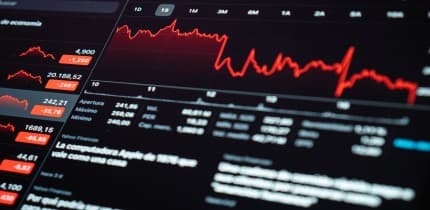
What Is Algorithmic Trading? Algorithmic trading (also called automated trading, black-box trading, or algo-trading) uses a computer program that follows a defined set of instructions (an algorithm) to place a trade. The trade, in theory, can generate profits at a speed and frequency that is impossible for a human trader.
The defined sets of instructions are based on timing, price, quantity, or any mathematical model. Apart from profit opportunities for the trader, algo-trading renders markets more liquid and trading more systematic by ruling out the impact of human emotions on trading activities.
Benefits of Algorithmic Trading
Trades are executed at the best possible prices. Trade order placement is instant and accurate (there is a high chance of execution at the desired levels). Trades are timed correctly and instantly to avoid significant price changes. Reduced transaction costs. Simultaneous automated checks on multiple market conditions.
Requirements for Algorithmic Trading
Computer-programming knowledge to program the required trading strategy, hired programmers, or pre-made trading software. Network connectivity and access to trading platforms to place orders. Access to market data feeds that will be monitored by the algorithm for opportunities to place orders.
The ability and infrastructure to backtest the system once it is built before it goes live on real markets. Available historical data for backtesting depending on the complexity of rules implemented in the algorithm.
Common Trading Strategies Used in Algorithmic Trading
The most common algorithmic trading strategies follow trends in moving averages, channel breakouts, price level movements, and related technical indicators. These are the easiest and simplest strategies to implement through algorithmic trading because these strategies do not involve making any predictions or price forecasts.
Share now